What is Diwali (Deepavali)? Explaining the festival of lights for kids
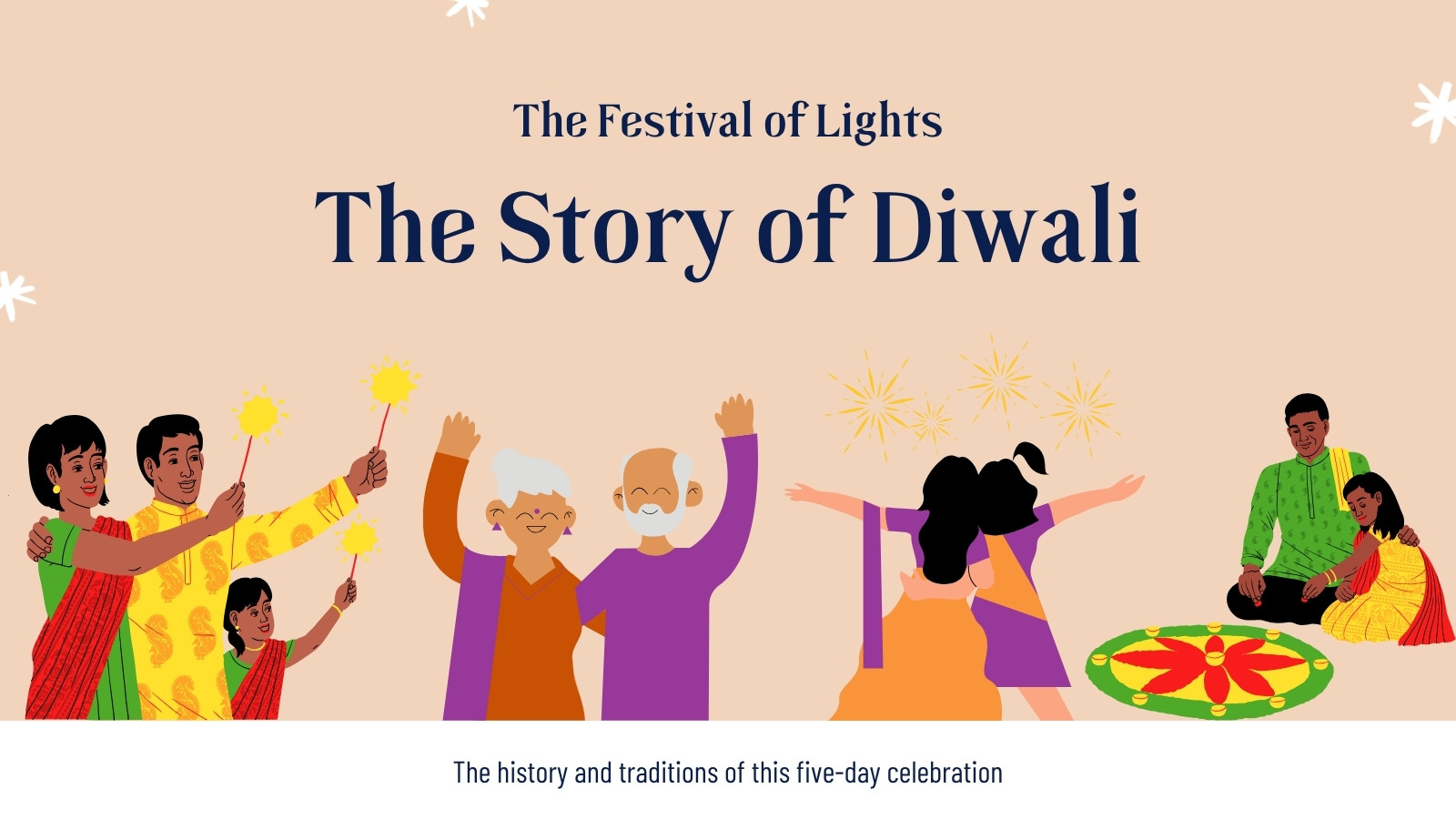
If your child has come home asking about little lamps, sweets and colourful patterns, they have probably heard about Diwali, which many families call Deepavali. They are two names for the same festival of lights. Looking for a simple way to explain Diwali for kids? This guide is for families in Toongabbie and beyond, whether you celebrate every year or are hearing about it for the first time. In 2026, most calendars put the main day on Sunday 8 November. Some temples and families may mark it a day apart.
What is Diwali, or Deepavali?
Diwali is a festival of lights celebrated by Hindus, Jains, Sikhs and Newar Buddhists. Each faith has its own reasons for marking it.
Many homes celebrate over five days, with the main celebration on the third. For others, one special day is the heart of it. Underneath it all sits one big idea: light over darkness, good over evil, and knowledge over ignorance.
For a preschooler, you could say: "Diwali is a happy festival. People light little lamps to remember that light is stronger than the dark."
Diwali or Deepavali: what's the difference?
They are the same festival. Deepavali is the older Sanskrit word, meaning "row of lights", and Diwali comes from it. You will mostly hear Diwali in North India and Deepavali in South India, including many Tamil homes, and in places like Singapore and Malaysia. Both names are right, so use whichever your family or friends use. The stories told can differ too, as you will see below.
What is the story behind it?
There isn't just one story, and that is part of what makes it special.
- Rama and Sita. Many families, especially in North India, tell of Rama, Sita and Lakshmana coming home to Ayodhya after 14 years away. People lit rows of lamps to welcome them.
- Krishna and Narakasura. In South India, including many Tamil homes, Deepavali remembers Krishna's victory over the demon Narakasura.
- Other faiths, other stories. Jains remember the final liberation of Mahavira. Sikhs mark Bandi Chhor Divas, the release of Guru Hargobind from prison.
If your family has its own version, that is the one to tell. With a three-year-old, keep it short: "A brave hero came home, and everyone lit lamps to say welcome."
How do families celebrate?
Every family does it a little differently, but you will often see:
- Lamps. Small oil lamps called diyas, along with candles and strings of lights, inside and outside the home.
- Rangoli. Bright floor patterns made from coloured powder, rice or petals. In Tamil homes you may hear them called kolam.
- New clothes. Children often love this part most.
- Sweets and shared meals. Plates of treats go back and forth between relatives, friends and neighbours.
- Prayer. Some families pray at home or visit a temple. Many Tamil families also begin the day with an early morning oil bath.
Fireworks are a big part of the festival in many countries. Here, it is illegal to buy, keep or set off fireworks in NSW without a licence, so look for a licensed public display if your family would like to see some.
Easy Diwali and Deepavali activities for young children
You don't need much, and none of these needs to be perfect.
- Make a rangoli. Use chalk on the path, rice or flower petals. Making a pattern is early maths: repeating, sorting by colour and working from the outside in all build the thinking behind counting.
- Build a rangoli fruit platter. A grown-up cuts, and the children arrange. Ring the plate with watermelon, then work inwards with mango, kiwi and berries. For children under three, cut small round fruit into smaller pieces.
- Decorate a lamp. Paint a small paper or clay dish and pop a battery tea light inside. Your child gets the glow without the flame.
- Share a story. Binny's Diwali by Thrity Umrigar is a warm picture book about sharing your festival with friends who have never seen it before.
- Ask a big question. "What makes you feel bright and happy inside?" Young children often have wonderful answers.
Keep real flames up high and out of reach. With babies and toddlers, stay close during rice and petal play, because everything still goes in their mouths.
What if our family doesn't celebrate it?
You don't need to be an expert. Children are naturally curious about what their friends do at home, and a simple answer is enough: "Some families celebrate Diwali. They light lamps and share sweets. Shall we find out more?"
A picture book or a rangoli on the path is a lovely way in. If your child has a friend who celebrates, "Happy Diwali" or "Happy Deepavali" is a kind thing to say. Just remember that no child has to explain their family's traditions unless they want to.
Diwali and Deepavali at Little Stars
At Little Stars in Toongabbie, we mark Diwali and Deepavali with lamps, colour and sweets, along with food, music and dance. It sits alongside our multicultural food days and the other celebrations we look forward to all year round.
Festivals like this do more than fill a day. Children hear new words, try new tastes and see that families do things in different ways. Just as importantly, a child whose family celebrates gets to see their own home life reflected at preschool.
Wishing all our families a happy Diwali and Deepavali.
Come and see for yourself.
Book a tour of our Toongabbie centre, meet the educators and see all three rooms.
Keep reading
The Surprising Benefits of Daycare for Infants: Why Early Socialization is Key
Daycare offers infants far more than care while parents work. Socialisation, cognitive development, emotional growth and early learning all get a head start.
Read articleSpending on Day Care: How Much Does It Cost to Send Your Child to Day Care in Toongabbie?
What shapes day care fees in Toongabbie, what families typically pay, and the financial help available through government subsidies.
Read article